Skip to content
her care
Expand
Her Care Services
Testimonials
Providers
Forms
Pricing & Insurance
Supplements
Membership
About
Expand
Press Room
About Us
Contact & Locations
Call Us
Book Online
Book Online
Toggle Menu
Press Room
Insights
Could Your Painful Periods be Caused by Endometriosis?
Insights
Time for a Change? When to Re-Evaluate Your Birth Control Method
Insights
New Year, New You: Why Your Annual Well-Woman Exam is a Top Priority
Insights
Navigating Menopause During the Holidays: Tips for Managing Symptoms
Insights
Get a Head Start on Your New Year’s Goals With Medical Weight Loss
Insights
How Does Gut Health Testing Work?
Insights
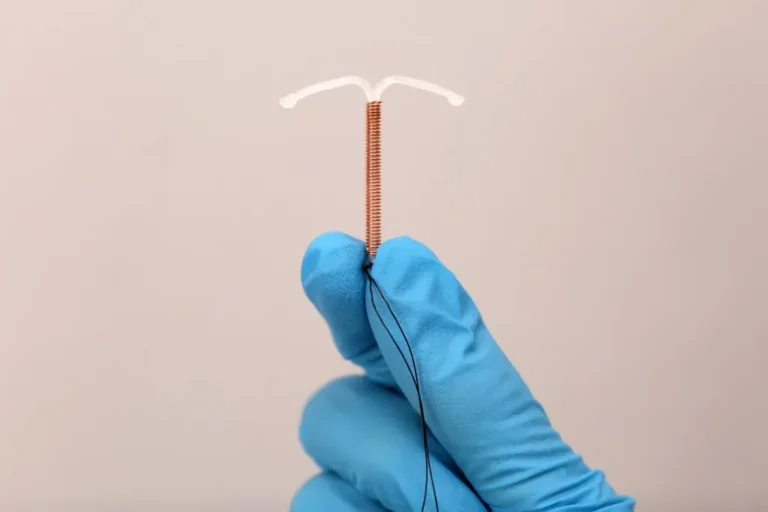
Is an IUD Right for Me?
Insights
What Are My Hormone Therapy Options?
Insights
I Can’t Seem to Lose Weight on My Own; Can You Help?
Insights
5 Common Warning Signs of an Underactive Thyroid
Insights
Menopause-Related Anxiety: How Long Will It Last, and Can HRT Provide Relief?
Insights
How Changing Your Diet Can Affect Your Mood and Thinking
Insights
Gender-Affirming Care: What to Expect When Getting Started
Insights
5 Ways Weight Loss Supports Improved Cardiovascular Health
Insights
Next Steps After Abnormal Pap Test Results
End of content
End of content
Page navigation
1
2
Next Page
Next
English
English
Deutsch
Español
Français
Italiano
Polski
Svenska
Suomi
Português
Română
Slovenščina
Slovenčina
Nederlands
Dansk
Ελληνικά
Čeština
Magyar
Lietuvių
Latviešu
Eesti
Hrvatski
Gaeilge
Български
Norsk
Türkçe
Bahasa Indonesia
Português (Brasil)
日本語
한국어
简体中文
العربية
Русский
हिन्दी
Українська
Srpski
English (UK)
ایران
ישראל
Македонија
ประเทศไทย
Việt Nam
Accessibility Adjustments
Powered by
OneTap
Hide Toolbar
Back
How long do you want to hide the toolbar?
Hide Toolbar Duration
Only for this session
24 hours
A Week
Not Now
Hide Toolbar
Select your accessibility profile
Vision Impaired Mode
Enhances website's visuals
Seizure Safe Profile
Clear flashes & reduces color
ADHD Friendly Mode
Focused browsing, distraction-free
Blindness Mode
Reduces distractions, improves focus
Epilepsy Safe Mode
Dims colors and stops blinking
Content Modules
Font Size
+
Default
-
Readable Font
Line Height
+
Default
-
Cursor
Letter Spacing
Align Text
Font Weight
Color Modules
Light Contrast
High Contrast
Monochrome
Orientation Modules
Reading Line
Reading Mask
Hide Images
Highlight Content
Stop Animations
Highlight Links
Skip To Content
Choose...
Main Content
Navigation
Footer
Reset Settings
her care
Toggle child menu
Expand
Her Care Services
Testimonials
Providers
Forms
Pricing & Insurance
Supplements
Membership
About
Toggle child menu
Expand
Press Room
About Us
Contact & Locations